Getting a Home Energy Upgrade Grant in County Sligo: What We Found Out
A neighbour of ours spent most of last winter in a house that was eating oil like it had a grudge. Big old semi-detached off the Ballina road, built sometime in the seventies, the kind of place with single-glazed windows that rattle when a truck goes past and attic insulation that looked like it had been installed as an afterthought. Sound familiar? A lot of houses in and around Enniscrone are the same vintage.
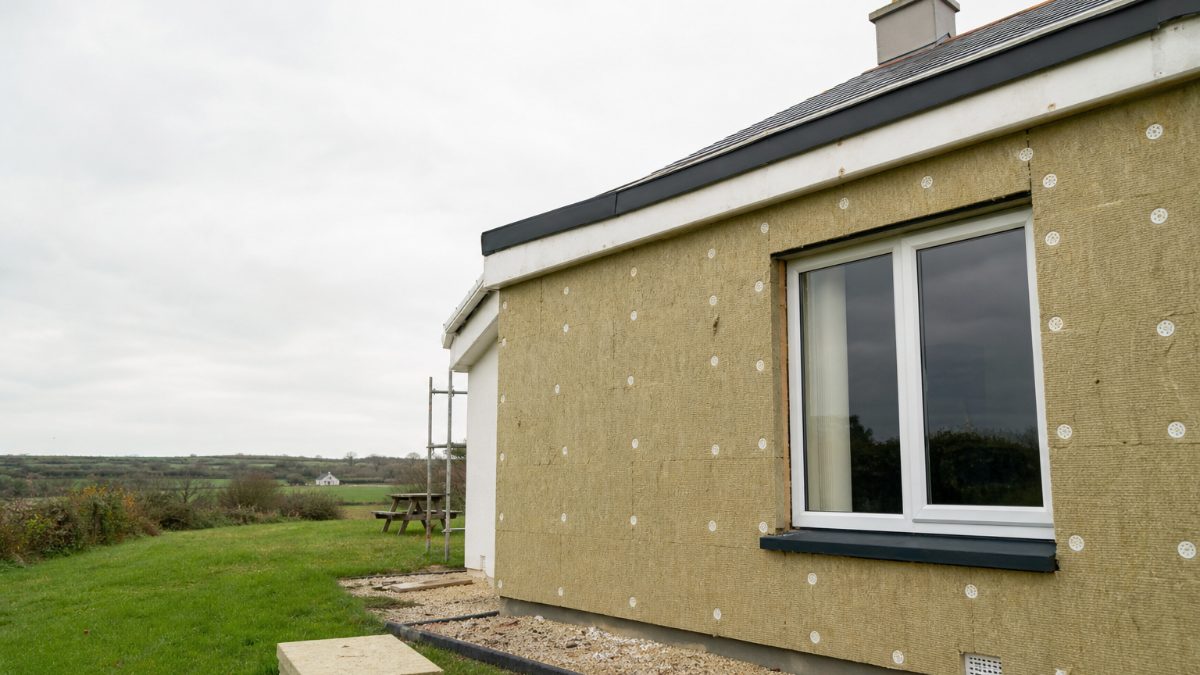
They went ahead with a full retrofit last year, attic insulation, wall insulation, a heat pump, and new windows, and they used the SEAI grant scheme to bring the cost down to something manageable. They talked us through it in some detail, and because we get asked about this fairly regularly, it seemed worth writing it up properly.
What the scheme actually is
SEAI, the Sustainable Energy Authority of Ireland, runs a grant programme for homeowners who want to improve the energy efficiency of their homes. The main one people go for around here is called the National Home Energy Upgrade Scheme, which covers deeper retrofits where you are doing multiple upgrades together and working toward a better Building Energy Rating. There is also a simpler one-stop shop route where SEAI coordinates a registered contractor to manage the whole job for you, which suits people who do not want to spend months organising tradespeople themselves.
The grants are not tiny. For something like external wall insulation on a detached or semi-detached house you could be looking at several thousand euro back, and attic insulation has its own grant on top of that. A heat pump system attracts one of the larger figures. The exact amounts change from time to time and depend on the measure, so the most reliable thing is to check the current figures directly on the SEAI website, where everything is listed clearly.
Who can apply
Your home needs to have been built and occupied before 2011. That rules out very new builds but covers almost everything in a town like Enniscrone. You need to own the property, so private rentals work differently. And the work has to be done by a contractor registered with SEAI. You cannot do it yourself and claim the grant, which is worth knowing up front before you start ringing around builders.
How the process actually went
The couple we spoke to started by getting a home energy assessment done. A registered assessor comes out, looks at your insulation, your heating system, your windows, checks the attic, and gives you a report with recommendations. That assessment has a cost, somewhere in the region of a couple of hundred euro usually, though that varies. It is the starting point for the whole thing.
From there they got quotes from SEAI-registered contractors. This took longer than expected. Finding a contractor who was available and registered and willing to take on a job in Enniscrone rather than closer to Sligo town required a bit of patience. They ended up going with someone from outside the area who had done a lot of similar work on the same type of house. Worth asking around locally and not assuming the first name you find will be the right fit.
The grant is paid after the work is completed and an assessor has confirmed everything was done correctly. So you pay the full invoice first and the grant comes back to you. That means you need to have the funds to cover the full cost initially, which is a real consideration for a lot of families. There are some financing options available through the scheme for people who need them, worth looking into if that is a concern.
The work itself took about two weeks in total. They had the attic done first, then the external wall insulation, then the heat pump installation, which is the most disruptive part. The house needed some internal work after the external insulation, touching up around windows and doors. That part was minor but it is worth factoring in if you are planning a repaint anyway.
Was it worth it
Their oil usage dropped noticeably in the first winter, though they are cautious about saying exactly how much because the weather was milder than the previous year too, so it is hard to be precise. The house feels different, warmer through the walls and quieter. The windows not rattling is a simple thing but it makes a big difference to how comfortable a room feels on a January evening with the Atlantic doing its worst outside.
The BER improved significantly, which matters if they ever want to sell or rent. That is the kind of practical upside that tends to get forgotten when people are focused on the monthly bills.
If you are starting from scratch with this, the first step is genuinely just to book that initial energy assessment. Everything else follows from that report, and it makes the conversation with contractors a lot more straightforward.