The Surf Reef at Easky: How It Shapes the Coastline and Why Walkers Should Know About It
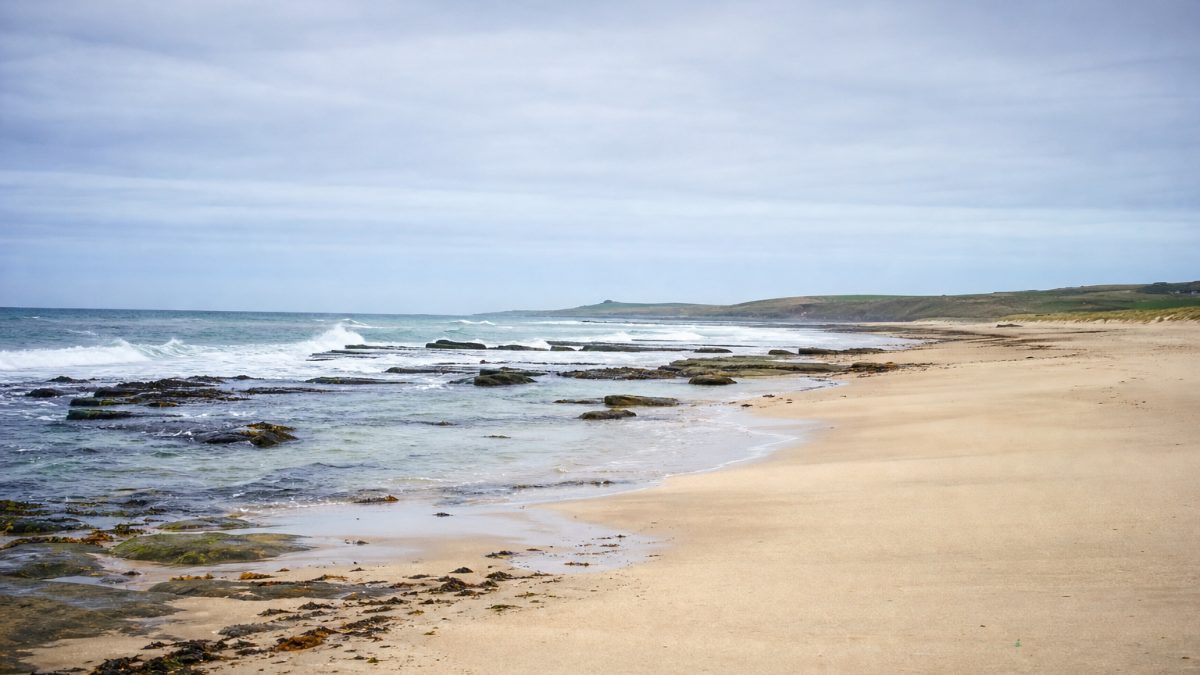
If you've walked anywhere near Easky and watched the surfers out on the water, you've probably noticed that the waves there behave differently from what you'd see along most of the Sligo coast. The break is unusually consistent, the shape of the wave holds for longer, and on certain days it looks almost too perfect to be natural. That's the reef doing its work.
The Easky reef sits just offshore, a flat limestone shelf that runs beneath the surface and forces incoming Atlantic swells to rear up and break in a predictable, powerful way. It's what makes Easky one of the more respected surf spots on the west coast. But the reef does more than shape waves for surfers. It has a real and practical effect on the coastline itself, and if you're walking in that area, it's worth having a rough idea of how it works.
What the reef actually does to the water
When a swell rolls in from the Atlantic, it's moving as a deep-water wave with enormous energy underneath. The moment that energy hits a shallow, hard seabed like a reef, it has nowhere to go but up. The wave rises steeply and breaks in a concentrated spot rather than gradually along a wide stretch of beach. This focusing effect means the water around the reef moves with more force than you might expect from just looking at the surface on a calm day.
This also means the tidal patterns close to the reef entry points aren't always obvious to someone unfamiliar with the area. The water on the beach side can look relatively settled while there's serious movement happening just beyond the rocks. Rip currents can run along the reef's edges on bigger swell days, and even a modest swell pushing over the shelf can create turbulence that isn't visible until you're too close to it.
Where walkers can safely get close
The good news is that most of the shoreline walk around Easky is straightforward and genuinely enjoyable. The circular route around Easky takes in excellent views of the reef break from safe vantage points on the headland and along the cliff edge, and that's honestly where the viewing is best anyway. You get a proper sense of the scale of the swell and the way the reef works from above.
The rocks immediately around the reef entry used by surfers are slippery and exposed. Avoid those unless you know the area well and have a reason to be there. The pier area and the main beach strand are fine for a walk at any reasonable tide, but stay well back from any rock platforms on days when the sea is active. If you're uncertain, watch the water for a few minutes before getting close. A wave that seems to have passed will often be followed by a larger one.
How it changes through the seasons
Summer brings calmer Atlantic conditions and smaller swells. The reef is still there doing its thing, but the energy in the water is lower and the accessible shoreline feels more relaxed. Autumn and winter change everything. Swells from the northwest build in size and frequency, and the reef produces the kind of surf it's actually known for. This is also when you need to be most careful as a walker. High tides combined with big winter swells can push water much further up the rocks than you'd expect.
Spring is a good middle ground. The worst of the winter is usually past, the light is improving, and you can get a decent swell to watch without the full chaos of a January storm. Wrap up though. The wind off that water in March has no manners whatsoever.