Preparing Your Garden for the Atlantic Winter Before It Prepares It for You
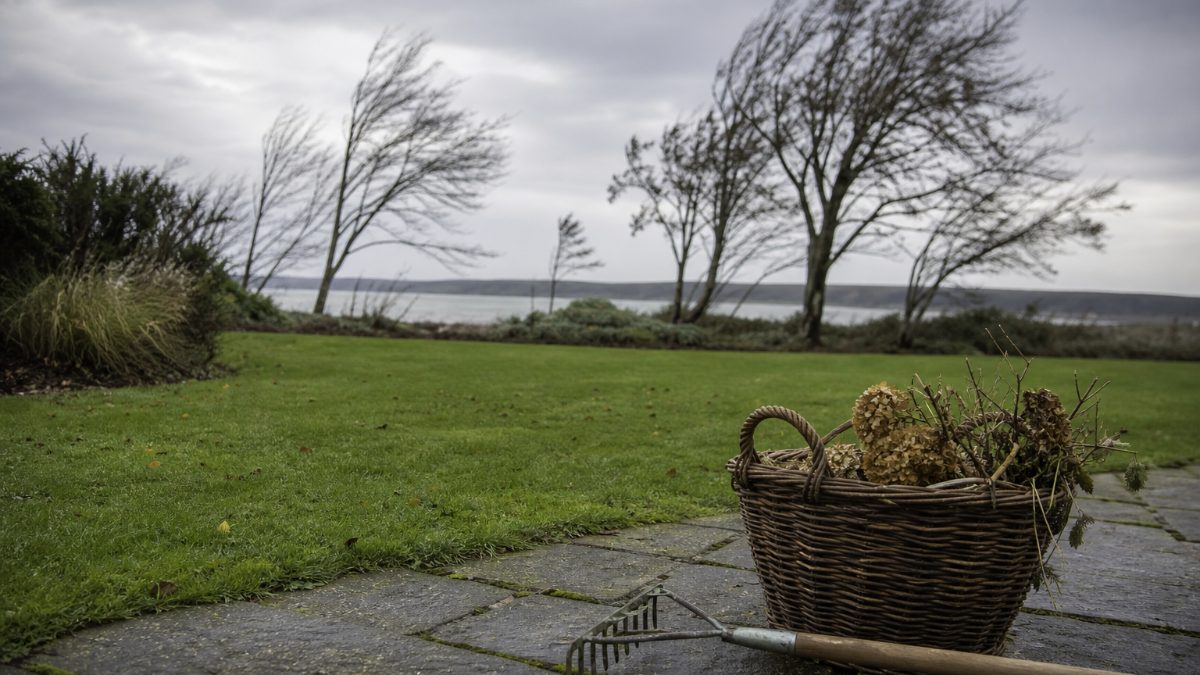
By the time the first proper Atlantic storm rolls in off the ocean, usually somewhere around late October or November, it's already too late to do half of this. That's the thing about gardening on the west coast. The window to get sorted is short and the consequences of missing it are specific. Salt burn, waterlogged roots, broken fencing, pots cracked by frost. None of it is dramatic, but it all adds up over a winter that starts early and doesn't apologise for it.
Here's what's worth doing before the weather takes charge.
Tackle the soil before it turns to porridge
If you're going to do any digging, do it now while the ground still has some give. Dig in compost or well-rotted manure to improve drainage. Sandy coastal soil here drains fast but it's often low in organic matter. Clay-heavy patches will waterlog badly if you leave them compacted going into winter, so break them up and add grit if you have it.
Raised beds are worth mulching now too. A good few centimetres of bark mulch or leaf mould will protect the soil structure and stop winter rain hammering the surface flat.
Sort out anything the salt wind can reach
The salt is the thing people underestimate if they haven't gardened near the coast before. Even a few hundred metres from the beach, salt-laden wind will scorch tender leaves and desiccate anything exposed on a south-westerly. Before the worst of it arrives, cut back any plants that have finished, especially tall perennials that will act as sails and rock themselves loose at the roots. Tie in anything that needs to stay upright. Climbers on walls need checked and re-tied before November, not after.
Move anything in pots that isn't frost-hardy into a shed or against a sheltered wall. Ceramic and terracotta pots that hold water will crack in a hard frost. Even plastic pots split if they're full of wet compost and the temperature drops sharply. It happens faster here than people expect because the freeze-thaw cycle over a coastal winter is relentless rather than steady.
Drainage is everything
Clear gutters and downpipes before the autumn leaves block them fully. Check that water is flowing away from the house and not pooling against foundations or walls. If you have a low-lying patch of garden that sits wet, dig a simple channel to redirect surface water. It doesn't have to be engineered, just enough to stop water standing for days at a time and rotting anything planted nearby.
If you have a stone boundary wall, have a look at the pointing now. A wall that's already letting water in will take a hammering over winter. Repointing a stone garden wall isn't a huge job if you catch it early, but leaving open joints through the wet months makes it much worse by spring.
Lawn, tools, and the small things
Give the lawn a final cut on a higher setting before growth stops. Scarifying now if it's thatch-heavy is worth it. Avoid cutting wet grass in December and January, the ground just compacts and you end up with ruts that last till June.
Clean and dry metal tools before putting them away. A wipe of oil on blades and spade heads takes ten minutes and saves buying replacements in spring. Drain hoses and disconnect outside taps if there's any risk of frost getting into the pipe, it's one of those jobs that feels unnecessary until the one winter you skip it.
Bring tender bulbs like dahlias and cannas inside once the foliage blackens. Store them in dry compost or paper bags in a frost-free shed. They'll come back reliably if you do this, and they won't if you don't.
If you're thinking about what to actually plant come the new year, late February is earlier than most people realise for getting things started in a west of Ireland garden.