What to Plant in a West of Ireland Garden in Late February
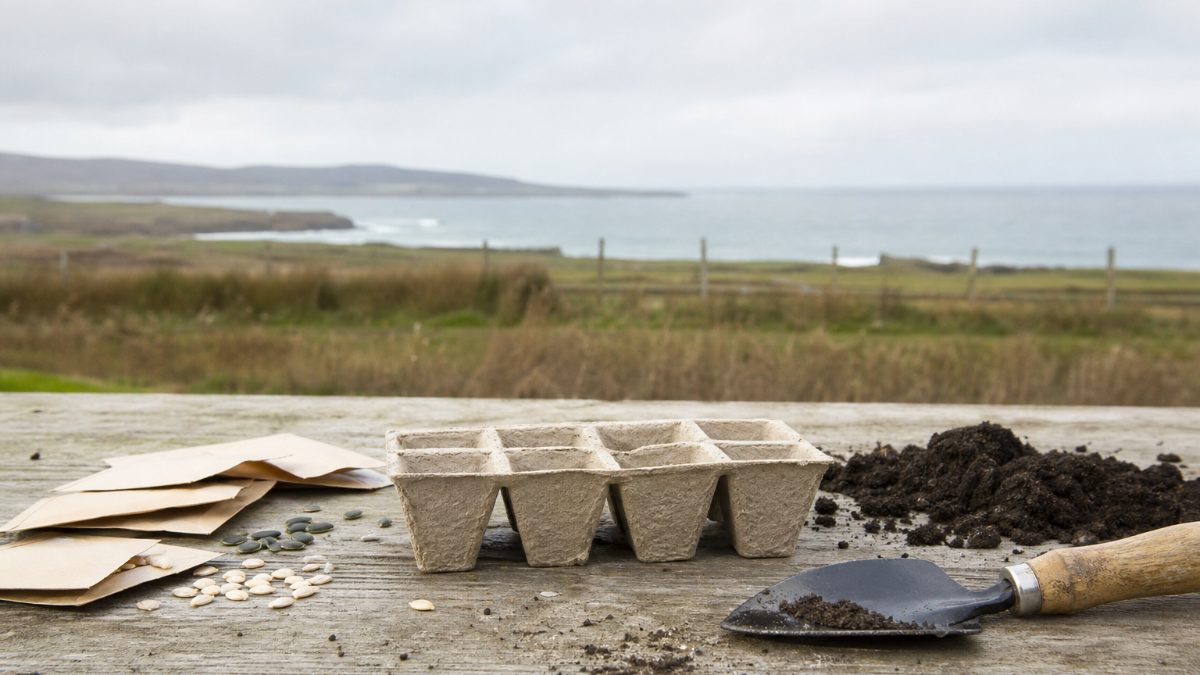
Most gardening calendars are written for somewhere else. The midlands, maybe, or a sheltered corner of Cork. Out here on the Sligo coast, February is a different animal. The soil stays cold longer, salt winds can scorch young growth overnight, and a frost in mid-March is not unusual. So take the advice on the seed packets with a pinch of salt, because the dates rarely match what's actually happening outside your back door.
That said, late February is not dead time. There is plenty you can usefully do, indoors and out, if you know what will and won't survive the conditions.
Start indoors, not outside
The single most useful thing you can do in late February is get a head start under cover. A windowsill, a small polytunnel, or even a cold frame against a south-facing wall will give you weeks of advantage over direct outdoor sowing.
- Onions and leeks from seed do well started now in trays indoors. They are slow to get going, so the earlier the better.
- Tomatoes can go in around the last week of February if you have a warm, bright spot. Too early without enough light and they just go leggy and weak.
- Chillies and peppers need a long season, so starting them now under cover makes sense.
- Broad beans can go into deep pots or root trainers inside. They transplant reasonably well and you will dodge the worst of the slugs by not sowing direct yet.
What you can sow direct, carefully
Direct outdoor sowing in late February on the west coast is a gamble. Some years it pays off. Other years you lose the lot to a cold snap in the second week of March. If you do want to try it, stick to hardy things and use fleece.
- Garlic, if you have not already planted it, can go in now. It is forgiving and handles the cold well.
- Peas (the hardier round-seeded varieties) can be sown outside, but cover them and watch the forecast.
- Spinach and chard are worth a try under a cloche. They handle cold better than most and will give you something to eat before anything else is ready.
Soil and structure
If the soil is not waterlogged and you can work it without it clumping in heavy lumps, late February is a good time to dig in compost or well-rotted manure. Coastal gardens near Enniscrone often have sandy, free-draining soil that benefits from organic matter worked in regularly. The wind dries it out fast once spring comes.
It is also a reasonable time to look at any raised beds or structural garden work that needs doing before the growing season gets busy. A crumbling stone wall around a vegetable bed is easier to sort now than in April when you are trying to do everything at once. If yours needs attention, the same approach used for repointing a stone garden wall applies well to raised bed edging built from reclaimed stone.
Keep an eye on the Atlantic weather coming in off the bay. A mild spell in late February can fool you into thinking spring has arrived. It usually hasn't. Hold back your tender seedlings until the soil temperature genuinely starts to climb, which around here is rarely before late March at the earliest.