A Few Things Worth Knowing Before You Start Burning Solid Fuel This Winter
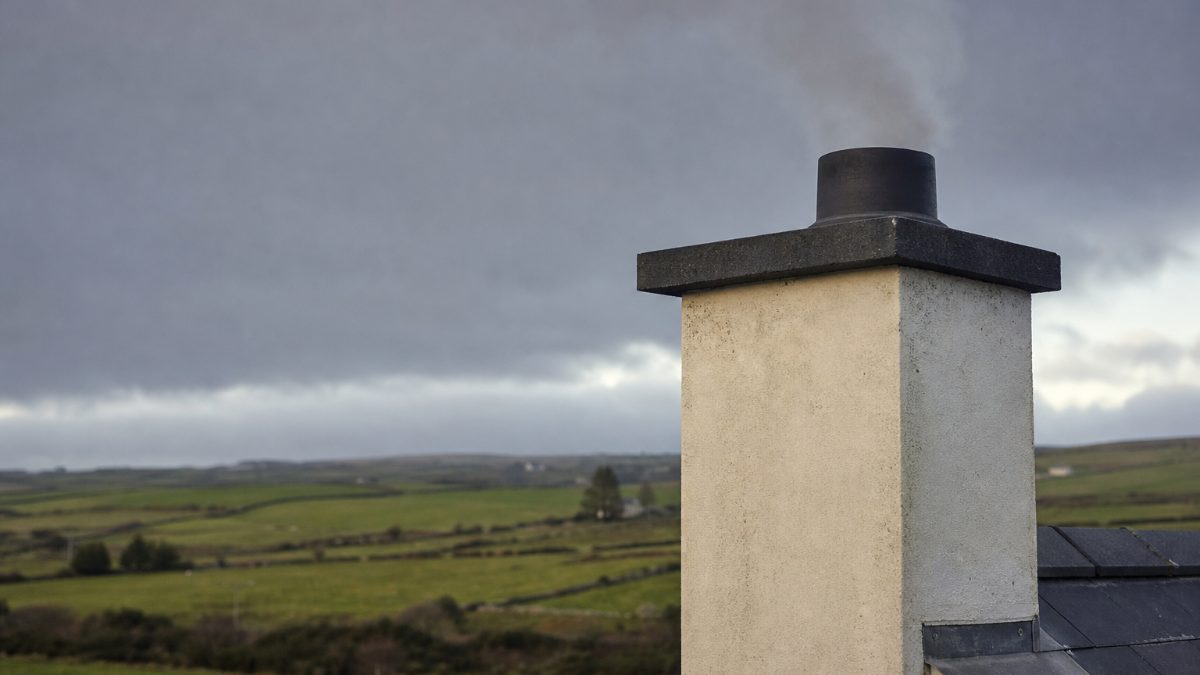
The first cold snap of autumn has a way of making everyone reach for the stove before they've really thought it through. Here are a few things worth checking before you light up for the winter, especially if you're in an older house on the west coast where damp, age, and sea air all conspire against you.
Get the chimney swept before anything else
This sounds obvious but a surprising number of people skip it, or tell themselves last year's sweep is still grand. Creosote and soot build up faster than you'd think, particularly if you burned unseasoned wood at any point. A blocked or restricted flue is a carbon monoxide risk and a fire risk. Book a sweep in September or early October if you can. By November every chimney sweep in Connacht is booked solid.
While the sweep is there, ask them to check the liner. A lot of older rural homes in Sligo still have unlined chimney stacks, and burning solid fuel in an unlined flue is risky. Liners crack over time, especially with the freeze-thaw cycles we get out here near the coast. It is not an expensive conversation to have.
Fuel moisture matters more than most people realise
Wet wood is the single biggest cause of rapid tar buildup in a flue. It also burns poorly, produces far more smoke, and throws very little heat. Properly seasoned firewood should have a moisture content below around 20 percent. You can buy a simple moisture meter for under a tenner and it will pay for itself quickly. Split logs dry faster than rounds, and they should be stored off the ground, stacked loosely, with airflow around them and a cover on top but not all four sides sealed.
If you are buying in bulk, ask when it was cut. Freshly cut or "green" timber needs at least a year to season properly, and two years is better for the denser hardwoods. Coal and briquettes have their own storage considerations too. Keep them dry and away from anywhere that floods in heavy rain, which around here is not a hypothetical.
Older houses need ventilation handled carefully
This is the one people get wrong most often in older homes. If your house has been retrofitted with draught-proofing, new windows, or insulation, the natural air leakage that used to feed the fire may now be gone. A stove or open fire needs a supply of fresh air to draw properly and to avoid pulling carbon monoxide back into the room.
Some solid fuel appliances require a dedicated air vent by regulation, depending on the size and type. If you have had any energy upgrade work done recently, it is worth revisiting this. The post on getting a home energy upgrade grant in County Sligo touches on some of the knock-on considerations that come with retrofitting an older property.
Keep a carbon monoxide alarm on every floor where there is a solid fuel appliance. Change the batteries when you change the clocks. That is not a suggestion worth leaving until something goes wrong.